Buy cetatenie-primesc.eu ?
We are moving the project
cetatenie-primesc.eu .
Are you interested in purchasing the domain
cetatenie-primesc.eu ?
domain@kv-gmbh.de · 0541-91531010
Buy cetatenie-primesc.eu ?
How do non-homologous recombination and homologous recombination work?
Non-homologous recombination involves the joining of two DNA molecules at non-homologous sequences, resulting in the insertion, deletion, or rearrangement of genetic material. This process is often error-prone and can lead to mutations. Homologous recombination, on the other hand, involves the exchange of genetic material between two similar DNA molecules, typically occurring during meiosis. This process is important for repairing DNA damage and ensuring genetic diversity. It involves the exchange of genetic material between homologous chromosomes, resulting in the formation of new combinations of genes. **
What is the difference between interchromosomal recombination and intrachromosomal recombination?
Interchromosomal recombination involves the exchange of genetic material between two different chromosomes, while intrachromosomal recombination involves the exchange of genetic material within the same chromosome. Interchromosomal recombination can result in the creation of new combinations of genes from different chromosomes, leading to genetic diversity. In contrast, intrachromosomal recombination can lead to the repair of DNA damage or the creation of genetic variation within the same chromosome. Both processes are important for genetic diversity and evolution. **


Similar search terms for Homologous recombination
Top-Angebote
Products related to Homologous recombination:
-
Women's Women's Snoopy Passport Bag Travel Crossbody Purse Woodstock Passport Bag Gray by Peanuts in Gray (Size ONE SIZE)This officially licensed Peanuts Snoopy crossbody bag features a playful all-over print of Snoopy and Woodstock on a durable grey fabric, making it an essential travel purse for any fan. The compact and lightweight design functions perfectly as a...24,00 $*Shipping: 0,00 $Secure redirect to the provider
-
WD My Passport 6TB Portable Hard Drive - BlackThe WD My Passport 6TB (WDBR9S0060BBK-WESN) is a portable external hard drive in black. It connects over USB 3.2 Gen 1 (5Gbps) using a Micro-B port and is supplied with a USB cable. The drive supports password protection with 256-bit AES hardware encryption and comes with WD backup software. It is formatted exFAT for use with Windows and Mac computers.274,49 £*Shipping: 0,00 £Secure redirect to the provider
-
WD My Passport Portable External SSD - 500GB, Space GreyThe WD My Passport portable SSD is a 500 GB external NVMe solid state drive in a space grey metal casing. It connects over USB-C (USB 3.2 Gen 2, up to 10 Gbps) with read speeds of up to 1,050 MB/s and write speeds of up to 1,000 MB/s.256-bit AES hardware encryption with password protectionShock, vibration and drop resistantSupplied with a USB-C to USB-C cable and a USB-C to USB-A adapter5-year limited manufacturer warranty183,49 £*Shipping: 0,00 £Secure redirect to the provider
-
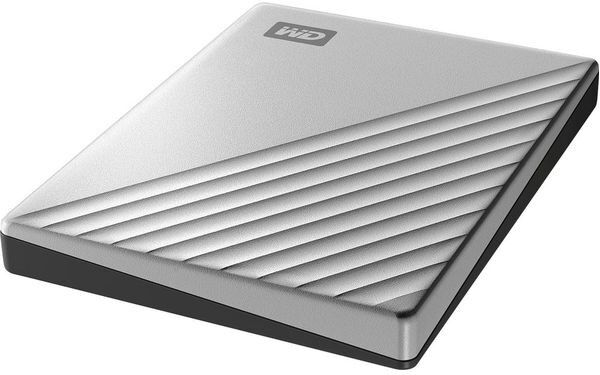
WD My Passport Ultra Portable Hard Drive - 2 TB, SilverWD My Passport Ultra 2TB portable hard drive (WDBC3C0020BSL-WESN) in a silver metal finish, USB-C ready with a USB-A adapter supplied, with WD Backup software, password protection and hardware encryption. 3-year manufacturer warranty.205,99 £*Shipping: 0,00 £Secure redirect to the provider


-
What is the difference between intrachromosomal recombination and interchromosomal recombination?
Intrachromosomal recombination occurs between two different regions of the same chromosome, leading to the exchange of genetic material within the same chromosome. On the other hand, interchromosomal recombination involves the exchange of genetic material between two different chromosomes. Intrachromosomal recombination can lead to the creation of genetic diversity within a single chromosome, while interchromosomal recombination can result in the exchange of genetic material between different chromosomes, leading to genetic diversity among different chromosomes. **
-
Are modifications homologous?
Modifications can be homologous if they are derived from a common ancestral modification and have similar functions in different species. For example, the presence of similar modifications in the wings of bats and birds, both of which enable flight, suggests homology. However, modifications can also be analogous, meaning they have similar functions but are not derived from a common ancestor. An example of analogous modifications is the wings of birds and insects, which have different evolutionary origins but serve the same function of flight. **
-
What is recombination in biology?
Recombination in biology refers to the process by which genetic material from two different sources is combined to produce a new combination of genes. This can occur through sexual reproduction, where genetic material from two parents is combined to create offspring with a unique genetic makeup. Recombination plays a crucial role in generating genetic diversity within populations, which is important for evolution and adaptation to changing environments. In organisms that reproduce sexually, recombination occurs during meiosis, where homologous chromosomes exchange genetic material through a process called crossing over. **
-
How does crossing-over influence recombination?
Crossing-over is a process during meiosis where homologous chromosomes exchange genetic material. This exchange of genetic material results in new combinations of alleles on the chromosomes, leading to genetic recombination. By shuffling genetic material between homologous chromosomes, crossing-over increases genetic diversity in offspring and can result in the creation of new combinations of traits. This process is essential for generating genetic variation within a population and plays a crucial role in evolution. **

What is recombination and genetic variability?
Recombination is the process by which genetic material is exchanged between two similar molecules of DNA, resulting in new combinations of genes. This process occurs during meiosis, the cell division that produces gametes (sperm and egg cells). Genetic variability refers to the diversity of genetic material within a population, which is influenced by factors such as recombination, mutations, and gene flow. Recombination plays a key role in generating genetic variability by creating new combinations of genes, which can lead to increased diversity and adaptation within a population. **
Why are bird feathers homologous?
Bird feathers are homologous because they all share a common evolutionary origin. They are derived from the same structure in the common ancestor of all birds. Despite the variations in size, shape, and color, bird feathers all serve the same fundamental purpose of providing insulation, aiding in flight, and attracting mates. This shared ancestry and function make bird feathers homologous structures. **
Top-Angebote
Products related to Homologous recombination:
-
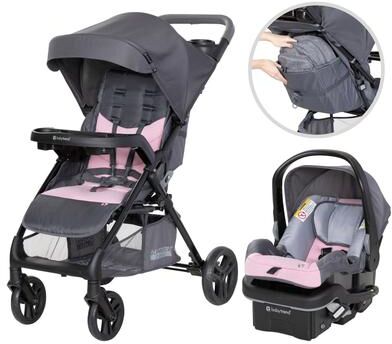
Baby Trend Passport Carriage Stroller, Ultra BlackWhether it's cozy or time for a stroll, Baby Trend's got you covered! The Passport Carriage Stroller offers a carriage mode option that allows your baby to have the comfort of an in-home carriage wherever you go.154,99 $*Shipping: 0,00 $Secure redirect to the provider
-
Women's Women's Snoopy Passport Bag Travel Crossbody Purse Woodstock Passport Bag Gray by Peanuts in Gray (Size ONE SIZE)This officially licensed Peanuts Snoopy crossbody bag features a playful all-over print of Snoopy and Woodstock on a durable grey fabric, making it an essential travel purse for any fan. The compact and lightweight design functions perfectly as a...24,00 $*Shipping: 0,00 $Secure redirect to the provider
-
WD My Passport 6TB Portable Hard Drive - BlackThe WD My Passport 6TB (WDBR9S0060BBK-WESN) is a portable external hard drive in black. It connects over USB 3.2 Gen 1 (5Gbps) using a Micro-B port and is supplied with a USB cable. The drive supports password protection with 256-bit AES hardware encryption and comes with WD backup software. It is formatted exFAT for use with Windows and Mac computers.274,49 £*Shipping: 0,00 £Secure redirect to the provider
-
How do non-homologous recombination and homologous recombination work?
Non-homologous recombination involves the joining of two DNA molecules at non-homologous sequences, resulting in the insertion, deletion, or rearrangement of genetic material. This process is often error-prone and can lead to mutations. Homologous recombination, on the other hand, involves the exchange of genetic material between two similar DNA molecules, typically occurring during meiosis. This process is important for repairing DNA damage and ensuring genetic diversity. It involves the exchange of genetic material between homologous chromosomes, resulting in the formation of new combinations of genes. **
-
What is the difference between interchromosomal recombination and intrachromosomal recombination?
Interchromosomal recombination involves the exchange of genetic material between two different chromosomes, while intrachromosomal recombination involves the exchange of genetic material within the same chromosome. Interchromosomal recombination can result in the creation of new combinations of genes from different chromosomes, leading to genetic diversity. In contrast, intrachromosomal recombination can lead to the repair of DNA damage or the creation of genetic variation within the same chromosome. Both processes are important for genetic diversity and evolution. **
-
What is the difference between intrachromosomal recombination and interchromosomal recombination?
Intrachromosomal recombination occurs between two different regions of the same chromosome, leading to the exchange of genetic material within the same chromosome. On the other hand, interchromosomal recombination involves the exchange of genetic material between two different chromosomes. Intrachromosomal recombination can lead to the creation of genetic diversity within a single chromosome, while interchromosomal recombination can result in the exchange of genetic material between different chromosomes, leading to genetic diversity among different chromosomes. **
-
Are modifications homologous?
Modifications can be homologous if they are derived from a common ancestral modification and have similar functions in different species. For example, the presence of similar modifications in the wings of bats and birds, both of which enable flight, suggests homology. However, modifications can also be analogous, meaning they have similar functions but are not derived from a common ancestor. An example of analogous modifications is the wings of birds and insects, which have different evolutionary origins but serve the same function of flight. **
Similar search terms for Homologous recombination
-
WD My Passport Portable External SSD - 500GB, Space GreyThe WD My Passport portable SSD is a 500 GB external NVMe solid state drive in a space grey metal casing. It connects over USB-C (USB 3.2 Gen 2, up to 10 Gbps) with read speeds of up to 1,050 MB/s and write speeds of up to 1,000 MB/s.256-bit AES hardware encryption with password protectionShock, vibration and drop resistantSupplied with a USB-C to USB-C cable and a USB-C to USB-A adapter5-year limited manufacturer warranty183,49 £*Shipping: 0,00 £Secure redirect to the provider
-
WD My Passport Ultra Portable Hard Drive - 2 TB, SilverWD My Passport Ultra 2TB portable hard drive (WDBC3C0020BSL-WESN) in a silver metal finish, USB-C ready with a USB-A adapter supplied, with WD Backup software, password protection and hardware encryption. 3-year manufacturer warranty.205,99 £*Shipping: 0,00 £Secure redirect to the provider
-
Red Squirrel Publishing Life in the UK Test: Study Guide 2025: The essential study guide for the British citizenship testThe 2025 edition of the best-selling study guide includes the complete testable materials from Life in the United Kingdom: A guide for new residents, the official Home Office materials. Passing the Life in the UK test is a compulsory requirement for anyone wanting to live permanently in Britain or become a British citizen. This practical study guide makes preparing for the test a lot easier. The new edition includes: Updated advice on specific question formats and clear advice on how to avoid common mistakes Focus points to help target your studies Completely revised practice tests, based on customer feedback and the direct experience of our editors. This means we offer accurate and up-to-date advice on what the test is really like Clear and easy to understand diagrams illustrating complex topics Helpful advice from successful students and FAQs. The 2025 edition includes advice on what to study, the kinds of questions to expect and unique study aids. Our study aids help students develop the comprehensive understanding they will need to pass the test. This book offers detailed advice on the types of question you will be asked in the official test. Purchasers also get a free subscription to online practice tests at www.lifeintheuk.net, along with up-to-date news and information. This book provides students with everything they need to help them pass their test with confidence. The latest official materials Expert and independent study advice Practice questions, including a FREE subscription to online practice tests at www.lifeintheuk.net9,99 £*Shipping: 2,99 £Secure redirect to the provider
-
What is recombination in biology?
Recombination in biology refers to the process by which genetic material from two different sources is combined to produce a new combination of genes. This can occur through sexual reproduction, where genetic material from two parents is combined to create offspring with a unique genetic makeup. Recombination plays a crucial role in generating genetic diversity within populations, which is important for evolution and adaptation to changing environments. In organisms that reproduce sexually, recombination occurs during meiosis, where homologous chromosomes exchange genetic material through a process called crossing over. **
-
How does crossing-over influence recombination?
Crossing-over is a process during meiosis where homologous chromosomes exchange genetic material. This exchange of genetic material results in new combinations of alleles on the chromosomes, leading to genetic recombination. By shuffling genetic material between homologous chromosomes, crossing-over increases genetic diversity in offspring and can result in the creation of new combinations of traits. This process is essential for generating genetic variation within a population and plays a crucial role in evolution. **
-
What is recombination and genetic variability?
Recombination is the process by which genetic material is exchanged between two similar molecules of DNA, resulting in new combinations of genes. This process occurs during meiosis, the cell division that produces gametes (sperm and egg cells). Genetic variability refers to the diversity of genetic material within a population, which is influenced by factors such as recombination, mutations, and gene flow. Recombination plays a key role in generating genetic variability by creating new combinations of genes, which can lead to increased diversity and adaptation within a population. **
-
Why are bird feathers homologous?
Bird feathers are homologous because they all share a common evolutionary origin. They are derived from the same structure in the common ancestor of all birds. Despite the variations in size, shape, and color, bird feathers all serve the same fundamental purpose of providing insulation, aiding in flight, and attracting mates. This shared ancestry and function make bird feathers homologous structures. **
* All prices are inclusive of VAT and, if applicable, plus shipping costs. The offer information is based on the details provided by the respective shop and is updated through automated processes. Real-time updates do not occur, so deviations can occur in individual cases. ** Note: Parts of this content were created by AI.